


Prochka – A Holiday of Forgiveness, Cleansing, and Spiritual Renewal
Prochka, also known as Great Lent Eve or Forgiveness Sunday, is one of the most significant holidays in Macedonian spiritual and folk tradition. It stands at the crossroads between the winter festive cycle—from Christmas Eve (Badnik) and Christmas, through Epiphany and St. Trifun—and the spring celebrations that lead toward Easter. This day also marks the beginning of the Great Lent, a seven-week period of fasting, self-reflection, and spiritual preparation for the Resurrection of Christ.
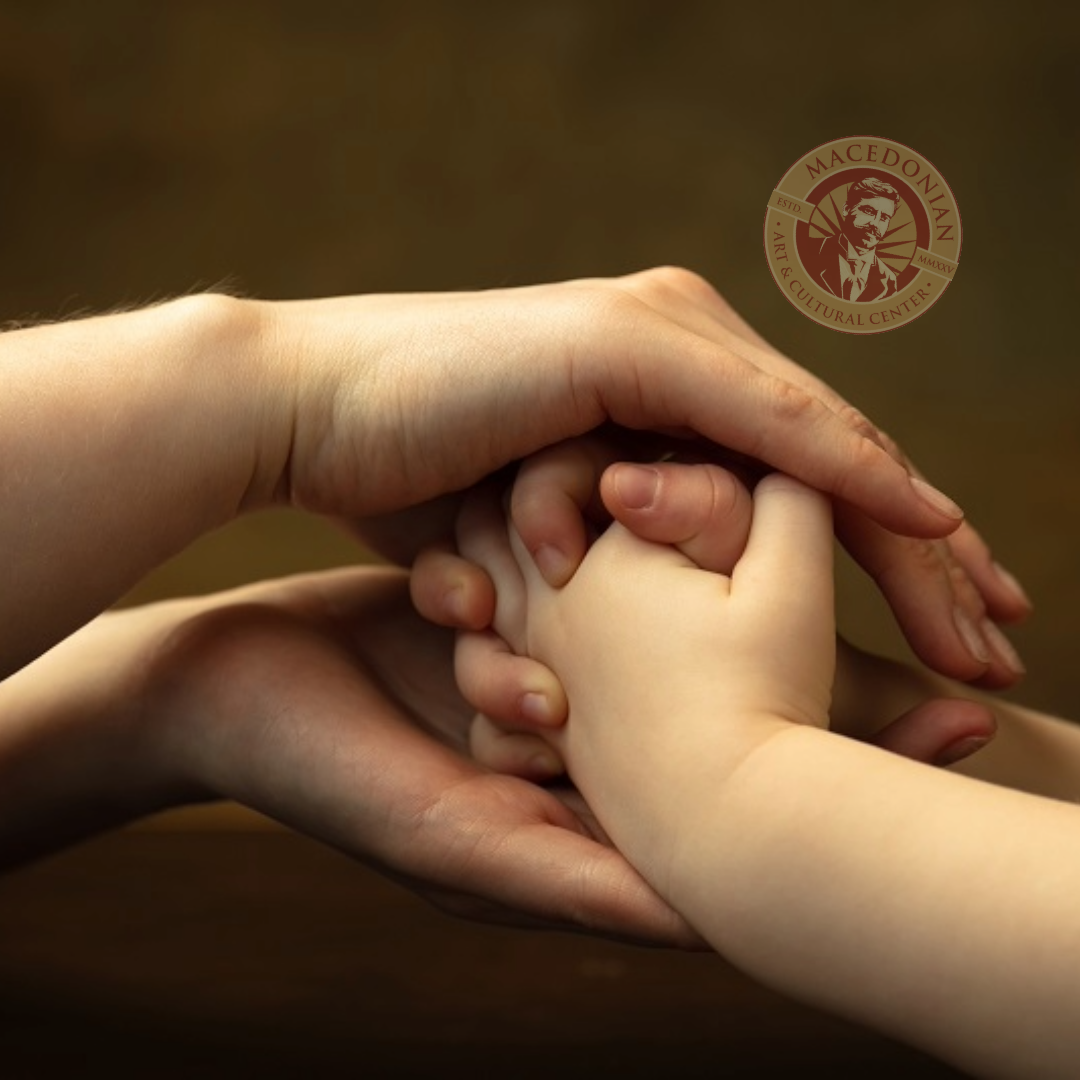
The essence of Prochka is forgiveness. According to Christian teaching, one cannot enter the fast with a burdened heart. For this reason, on this day the younger ask forgiveness from their elders, children from their parents, godchildren from their godparents, and friends from one another. With a bow and the words “Forgive me,” spiritual peace is restored, while the response “You are forgiven” affirms readiness for a new beginning. In folk belief, even heaven and earth are reconciled on this day—a powerful symbol that further emphasizes the need for human harmony and reconciliation.

However, Prochka is not only a church holiday; it is also a living reminder of ancient, pre-Christian spring customs. The bonfires lit in the evening, the masked processions, and the carnival games all testify to old rituals of purification and the driving away of evil. In many towns and regions, large ceremonial fires are lit, and young people leap over them, believing that in doing so they free themselves from illness, misfortune, and sin. The fire thus becomes a powerful symbol of cleansing and hope for a new beginning.
Particularly striking are the carnival traditions in Strumica and Prilep. In Strumica, the celebrations are linked to the so-called Trimeri customs, featuring masks, songs, and collective festivities that attract visitors from across the country and abroad. In Prilep, the authentic masks—especially the bear costumes—continue a centuries-old tradition of guild and folk pre-Lenten celebrations. Despite modern influences, these carnivals preserve their essential message: through laughter, disguise, and dance, to overcome fear of the unknown and welcome spring with a purified spirit.
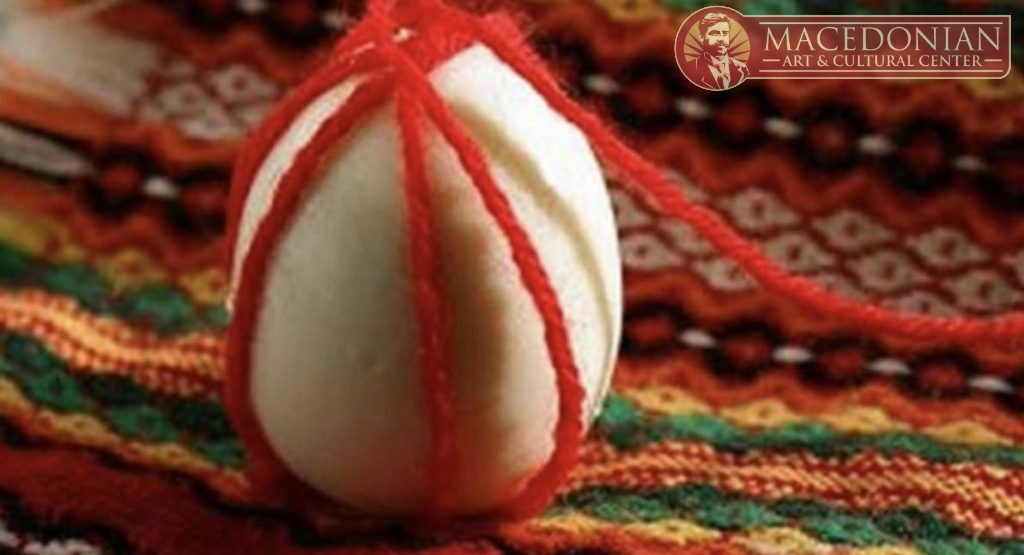
One of the most joyful family customs is amkanje, a playful tradition in which a boiled egg, tied to a string, swings above the table while family members try to catch it without using their hands. Although lighthearted and fun, the ritual carries deep symbolism of health, purity, and togetherness. It is followed by a rich meal of dairy dishes—the last before the beginning of the strict Lenten fast.
Church tradition on this day commemorates the expulsion of Adam from Paradise, serving as a reminder that disobedience and excess lead to spiritual downfall. For this reason, fasting is understood as a remedy for human nature—a path toward restoring the grace that was lost. If Adam forfeited the state of Paradise through lack of restraint, humanity, through self-control, repentance, and humility, strives once again toward spiritual wholeness. The forty-day fast, established in apostolic tradition, is therefore a call to personal transformation—not merely physical, but above all spiritual.
The Monday following Prochka is known as Clean Monday, a day of both symbolic and literal cleansing. Homes are thoroughly cleaned, cooking utensils are washed of any greasy residues, and a new, devoted rhythm of life begins. Traditionally, the first days of the fast were observed with strict self-discipline, known as the “trimeri,” during which the faithful undertook the spiritual endeavor with particular devotion.
Prochka, therefore, is not merely a day of ritual and tradition. It serves as a bridge between the old and the new, the folk and the spiritual, the celebration and the quietude of the fast. In it, forgiveness and joy, fire and prayer, carnival and repentance converge. It is precisely in this complex yet harmonious blend that the enduring significance of Prochka is reflected in Macedonian cultural and spiritual memory.
For many years